
The First National Bereaved Sibling Data Set
Understanding the scale of sibling bereavement in England - and why this data matters

Throughout Children’s Death Awareness Week, Sibling Support launched the first national dataset showing how many children and young people in England become bereaved siblings each year.
Developed in partnership with the National Child Mortality Database (NCMD), this data helps us better understand the scale of sibling bereavement across England - including how many children are affected, where they live, and the ages at which sibling bereavement is most common.
For the first time, bereaved siblings are visible in national data, helping build a stronger case for the support they need and deserve.
How many siblings are bereaved each year?

The data shows that every year, 2,663 children and young people in England become bereaved siblings. That equates to 222 every month, or 51 every week.
Each number represents a real child and family
Sibling grief is common, but often overlooked
Support must reflect the scale of need
Behind every statistic is a child navigating life after the death of a sibling - often with little recognition of the impact this loss can have.
Harry’s story
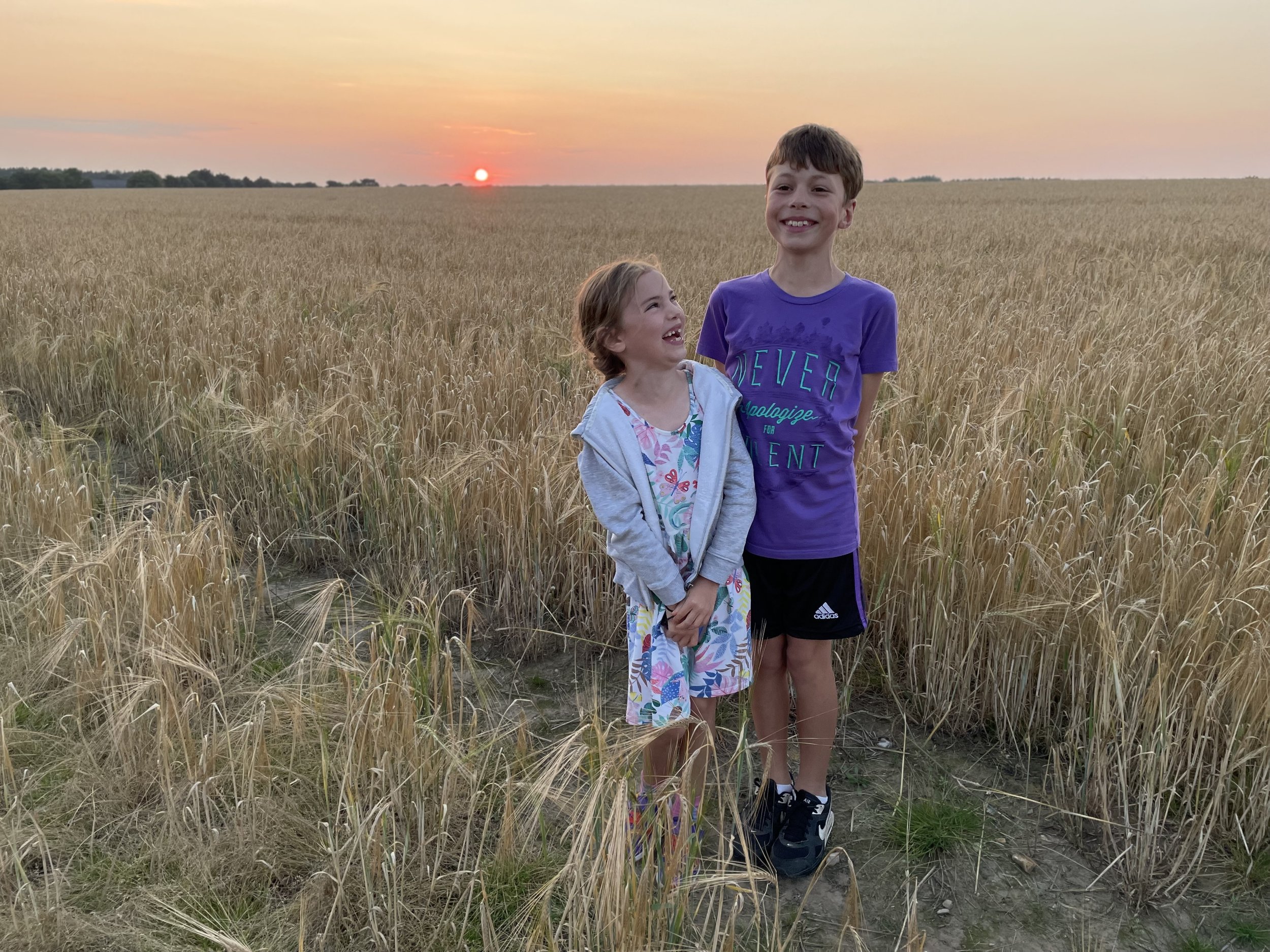
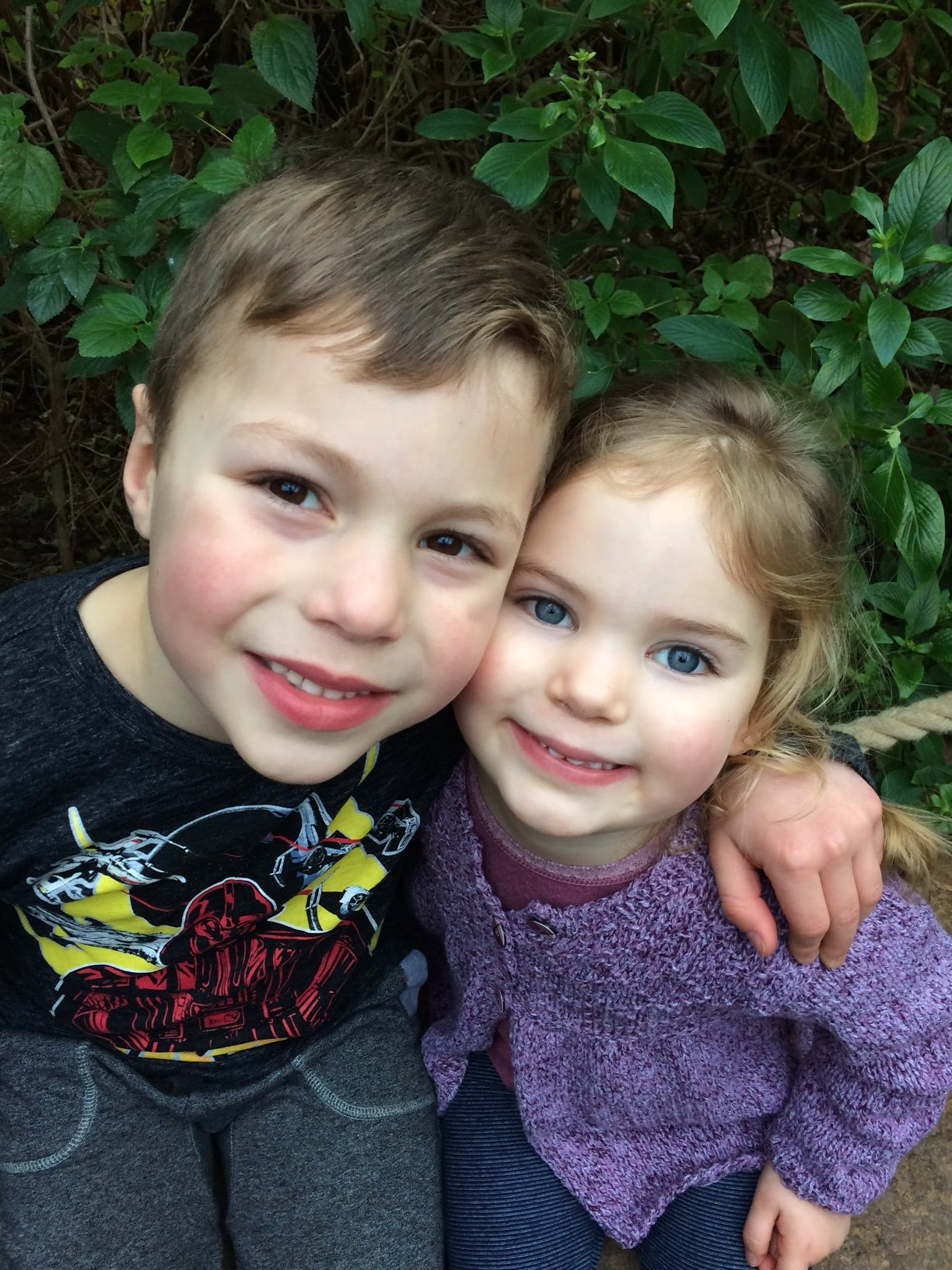
Harry was just 11 when his younger sister Emily died, aged 8, from an aggressive brain tumour with no cure. Now 15, Harry spoke to us about his experience of grief.
What impact has Emily’s death had on your life?
When Emily passed away, I was immediately in shock, I was extremely upset beyond words and my grief hasn’t gotten easier, I have only learnt to cope with the loss of Emily not accept it.
Losing a sister or brother is the worst possible experience I think any sibling could ever go through, and my grief for Emily will always be there but over time coping will become easier.
What has helped you cope?
Things that have helped me to cope are things like joining in with sports like football and athletics, listening to and creating music, fundraising and hanging out with the right people like family and friends. These things all help me in different ways: sports and music helps me zone out and focus my mind on one thing which can be really helpful when you don’t want to think about what happened to your sibling or you just want some peace. Fundraising helps me feel like I’m doing something to help. My sister passed away from a brain tumour, so fundraising for causes like research helps to try and stop anyone else from going through what Emily went through.
What support has helped, or what support wasn’t available that might have helped at the time?
Support for people like me who have lost a sibling at a young age wasn’t always available to everyone. Luckily for me and my family, we had a great therapist. But that didn’t really engage me as much because talking to a screen makes me feel like I can’t properly connect with the person I am speaking to.
Sibling groups that I have been to have helped a lot, because it allows me to say my feelings and be listened to in person, and activities like sports or other things help to engage and feel connected to my sister through doing things she loved.
What do you wish people understood about sibling grief?
I wish that people understood that even when I’m happy and laughing I still miss her so so so much.
Where is sibling bereavement most prevalent?
Sibling bereavement is not evenly distributed across England. Some regions experience significantly higher levels than others, with the North West, London and the West Midlands showing the highest prevalence in our data set.

Understanding regional variation helps us think more carefully about where support is needed most. It allows services, charities and professionals to respond more effectively to local need.
At what ages are children most likely to become bereaved siblings?
Bereaved siblings exist across every age group, from birth to 17. However, some age groups are affected more than others.
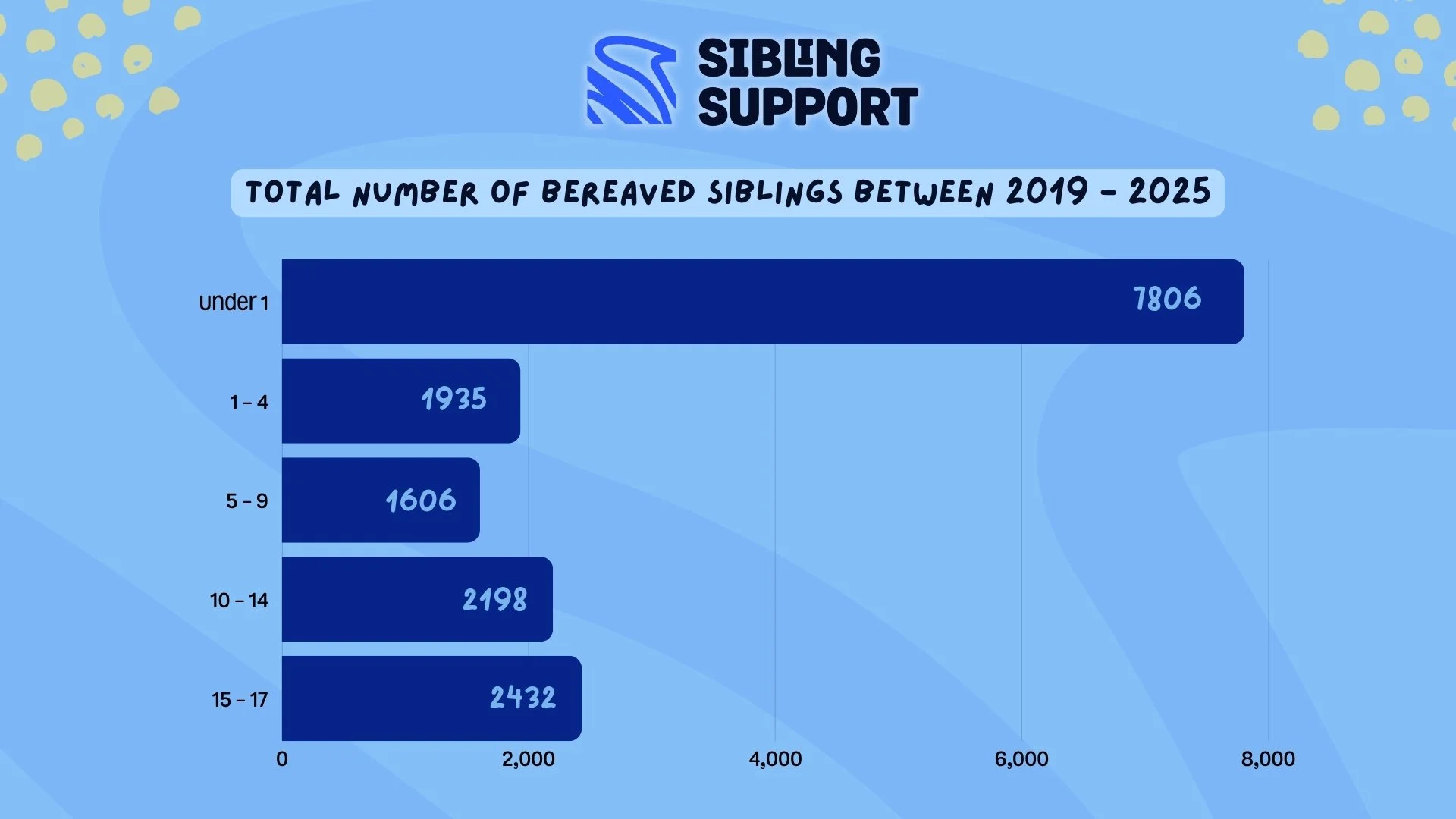
Grief looks different at every age: young children may not fully understand permanence of death, whereas teenagers may understand deeply but struggle socially or emotionally. Support should be age-appropriate, and cater for all.
Why this data matters
For too long, bereaved siblings have been missing from national conversations around child bereavement. Without data, it becomes harder to advocate for dedicated support, funding, and recognition. This dataset changes that.
It gives professionals, policymakers, schools, healthcare teams and charities better evidence to understand the scale and complexity of sibling grief.
Every bereaved sibling deserves support
There is no “right age” to grieve, and no single way sibling grief looks. But one thing is clear: every bereaved sibling deserves to be seen, heard and supported.
Learn more
For more information, and to read the full data set, take a look at our webpage:
https://www.siblingsupport.co.uk/bereaved-sibling-data
We offer specialist support for bereaved siblings and those supporting them, with online and in-person services across the UK.
For more information, head to our website: